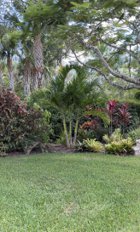
Best Plants and Landscaping Tips for Southwest Florida Gardens
In the subtropical climate of Southwest Florida, the most effective landscaping relies on resilient, salt- and drought-tolerant native plants. This approach supports a successful design that attracts pollinators, improves the sandy soil, and layers plants for visual appeal and simpler upkeep. Discover the best plantings and practices for sustainable and visually appealing garden design.
Best Trees and Palms
Ø Royal Palm (Roystonea regia): A majestic and iconic palm that adds a dramatic, tropical look.
Ø Sabal Palm (Sabal palmetto): The state tree of Florida, this native palm is extremely durable and low-maintenance.
Ø Live Oak (Quercus virginiana): A native shade tree with excellent salt and wind resistance.
Ø Buttonwood (Conocarpus erectus): A versatile tree or large shrub that is highly salt-tolerant and can be used for hedges.
Best Shrubs and Hedges
Ø Firebush (Hamelia patens): A native plant featuring vibrant red-orange tubular flowers that attract hummingbirds and butterflies year-round.
Ø Beautyberry (Callicarpa americana): A native shrub with striking purple berries that provide food for birds.
Ø Coontie (Zamia integrifolia): A native cycad with feathery, fern-like leaves that is drought-resistant and a host plant for the Atala butterfly.
Ø Oleander (Nerium oleander): An evergreen with showy flowers that is extremely drought and salt-tolerant. Caution: All parts of the plant are poisonous.
Ø Croton (Codiaeum variegatum): Features bold, colorful foliage that thrives in heat and adds visual interest.
Best Flowers and Groundcovers
Ø Lantana (Lantana camara): A fast-growing, low-water perennial with colorful flower clusters that attract pollinators.
Ø Muhly Grass (Muhlenbergia capillaris): A native ornamental grass with wispy pink or purple plumes in the fall, adding texture and movement.
Ø Beach Sunflower (Helianthus debilis): A salt-tolerant groundcover that produces yellow, daisy-like flowers all year.
Ø Sunshine Mimosa (Mimosa strigillosa): A native, low-growing groundcover with delicate pink powderpuff flowers.
Ø Bougainvillea: A drought-tolerant climbing vine or shrub with minimal care requirements that offers brilliant color.
Landscaping Tips for Southwest Florida
Enrich sandy soil: Enrich Florida's sandy, nutrient-poor soil with abundant organic matter, such as compost, to help it hold more water and boost its fertility.
Group by water needs: Strategically cluster plants with similar water requirements together to enable more efficient watering.
Use mulch: To conserve moisture and protect roots from the heat, apply a 2–3-inch layer of mulch around your plants. This is especially vital during the dry season.
Practice smart irrigation: Use a smart irrigation system or soaker hoses to conserve water. This is a sustainable practice that also helps lower your water bill.
Embrace native plants: Opting for native plants is a low-maintenance, sustainable choice, as they are naturally suited to the local climate and require less water, fertilizer, and pest control.
Attract pollinators: Include pollinator-friendly plants, such as milkweed, firebush, and lantana, to draw butterflies and bees to your yard.
Layer plantings: Create visual depth and interest by arranging plants in layers, with taller species in the back and shorter ones in the front.
Integrate hardscaping: Integrating hardscape features like walkways, stones, and benches offers both visual structure and lower upkeep. Using permeable pavers, in particular, is a great way to handle stormwater and reduce runoff.
Add landscape lighting: Strategically placed lighting can highlight focal points like a specimen tree or pathway, improving both beauty and safety.