Southwest Florida Real Estate and Community News

Nov. 26, 2025

Southwest Florida Real Estate Market Update: What’s Really Happening Right Now

Southwest Florida Real Estate Market Update: What’s Really Happening Right Now

What in the world is happening in the Southwest Florida housing market? Our area has been in a lot of headlines this summer—national news, local news, YouTube commentary, you name it. Today, I’m breaking down what’s actually happening on the ground. I’ll share a few key statistics for context, and then talk about what we’re seeing in real-time within our transactions. Consider this your inside look at the true market dynamics across Southwest Florida.

If you ever want more detailed reports or neighborhood-specific data, you can always text, email, or reach out. I’m happy to send full board data or jump on a call.

Current Market Trends in Southwest Florida

At this moment, Southwest Florida is very clearly in a buyer’s market. Inventory is up compared to previous years, days on market have stretched, and buyers have more options than they’ve had in a long time. But that does not mean homes aren’t selling. Homes are selling every week—and priced correctly, marketed correctly, and presented well, they still move.

Here’s a quick look at some of the high-level numbers.

Median Sales Price Overview

Collier County (Naples area)
Quarter 1 median sales price: $865,000
Quarter 2 median sales price: $780,000

A slight softening, though certain pockets—Naples zip codes, waterfront communities, and specific luxury markets—are still holding strong.

Lee County (Fort Myers, Estero, Bonita, Cape Coral)
Quarter 1 median sales price: $400,000
Quarter 2 median sales price: $384,635

A mild decline, aligned with rising inventory and seasonal patterns.

Active Inventory Levels

Collier County
End of Quarter 1: just under 4,000 homes
End of Quarter 2: 3,251 homes
End of July: 2,572 homes

Lee County
End of Quarter 1: just under 10,000 homes
End of Quarter 2: just under 8,900 homes
End of July: 8,341 homes

These decreases are normal for our region. Inventory spikes during season (January–March) and tapers during the summer when some sellers pull their homes off the market.

Months of Inventory

Collier County (Single-family homes only)
Quarter 1: 11 months
Quarter 2: 9.2 months
July: 8.3 months

Lee County
Quarter 1: 9 months
Quarter 2: 7.9 months
July: 7.4 months

Months of inventory are still much higher than during the frenzied COVID boom, which is why buyers have more leverage.

Sales Price to Original List Price Ratio

Collier County
Quarter 1: 92.2%
Quarter 2: 90%
July: 88.9%

Lee County
Quarter 1: 94.3%
Quarter 2: 93.2%
July: 92.8%

Homes are selling for less of their original list price, which reflects both an increase in inventory and sellers who have taken time to adjust expectations.

Days on Market

Collier County
Quarter 1: 72 days
Quarter 2: 77 days
July: 90 days

Lee County
Quarter 1: 60 days
Quarter 2: 65 days
July: 70 days

Again—this is normal for summer. It’s our slowest season, not our worst season.

What We’re Seeing in Real Time

Statistics tell part of the story, but the real insight comes from what’s happening day-to-day within active transactions. Here’s what we’re experiencing across dozens of deals every month.

Home Sale Contingencies Are Back

For years, sellers wouldn’t even consider a home-sale contingency. Now, we are seeing them again. It’s still stronger if your current home is already on the market or under contract, but buyers once again have the opportunity to include this in negotiations.

Buyers Are More Willing to Walk Away

Because buyers have more choices, they aren’t sticking around if they feel uncertain. We’re seeing buyers walk away after strong counteroffers, inspection disagreements, or simply because a better home hit the market. Motivation and emotional buy-in matter more right now than ever.

Inspection Requests Are Increasing

Buyers are asking for more repairs—sometimes cosmetic ones—and sellers need to decide whether to accommodate or risk losing the buyer. Flexibility often wins.

Approximately 25% of Contracts Are Falling Through

Whether due to inspection issues, cold feet, financing, or simply buyers choosing a different home, contract fallout is more common right now. This makes smart, strong terms essential for both sides.

Appraisal Challenges Are Reappearing

During COVID, appraisals lagged behind rising values. Now we’re seeing the opposite. In some cases, appraisals are coming in low even when comps support the contract price. These are hard to challenge, so buyers and sellers must work together to bridge the gap.

Long Closing Periods Come With Risk

Long closes—60 to 90 days—are becoming more common again, but they can be risky, especially with financing involved. Lenders often work backward from closing dates, which can delay contingencies and important deadlines. Weather risks during hurricane season also need to be considered. Cash buyers, of course, have an easier time.

What This Means for Buyers

If you’ve been on the fence, this might be your moment. Interest rates are stabilizing, inventory is still high, and sellers are increasingly willing to negotiate. Once temperatures drop up north, buyer activity in Florida will rise significantly.

This period right now—late summer into early fall—is historically one of the best times to buy in Southwest Florida.

What This Means for Sellers

Homes are still selling, but buyers have choices. That means your home must check three boxes:

Price it correctly
Present it in top condition
Market it at the highest level

Cape Coral, in particular, has faced more price reductions and longer market times, but for the right buyer, this is creating opportunity.

Let’s Talk About Your Plans

If you’re thinking about buying or selling in Southwest Florida, or just want a clearer picture of what today’s market means for you, I’d love to sit down and help you make a plan.

Use the Calendly link to schedule a time, or reach out directly at 239-776-6872.


Our team is here to help you navigate the market with clarity and confidence—so you can make the decisions that support your goals and your lifestyle.

Posted in Buyers, Lifestyle, Sellers
Nov. 25, 2025

Understanding Your Florida TRIM Notice: What to Look For and What It Really Means

Understanding Your Florida TRIM Notice: What Homeowners Need to Check

If you live in Florida, you probably received your annual TRIM notice in the mail recently. And while it looks official (and a little intimidating), it’s important to remember one thing right away: this is not a bill.

Your TRIM notice is simply an estimate of what your property taxes may look like for the upcoming year. It’s your chance to review your assessed value, confirm your exemptions, and take action if anything looks incorrect.

Here’s a clear breakdown of what to look for and how to understand your notice.

1. Review Your Property Valuation

The first section you should check is your property valuation. Your TRIM notice will show last year’s assessed value alongside this year’s proposed value.

This number is important because it serves as the foundation for calculating your taxes. Compare the two values and make sure nothing seems unusual. Market conditions change year to year, and assessed values can move up or down depending on local trends.

If your valuation seems significantly off compared to the local market, it may be worth taking a closer look.

2. Confirm Your Exemptions

Your exemptions section is another essential area to review. Florida is a homestead state, meaning homeowners with a primary residence are eligible for the homestead exemption.

If you have homestead—or other exemptions such as portability, senior exemptions, or disability-related exemptions—they should all appear here.

Missing exemptions can cause taxes to increase, so verify that everything you’re entitled to is properly listed.

3. Understand What a TRIM Notice Is

TRIM stands for Truth in Millage. This notice is an annual estimate required to be sent to property owners each August. It outlines how your taxes are calculated and which taxing authorities apply to your property.

You’ll typically see three columns:

  • Last year’s taxes

  • This year’s estimated taxes if no changes are adopted

  • This year’s estimated taxes if proposed changes are adopted

These numbers are estimates, not your finalized tax bill, but they provide useful insight into what you can expect.

4. Know What’s Not Included on the TRIM Notice

While your TRIM notice includes ad valorem taxes, it does not include non-ad valorem assessments. These additional charges might include CDD fees, solid waste fees, or other community-related assessments.

Because of this, your actual tax bill will likely be higher than what you see on your TRIM notice, depending on your community and county.

5. Homestead and Non-Homestead Caps

Florida has caps on how much your assessed value can increase each year.

For homesteaded properties, the assessed value cannot increase more than 3% annually. Even in a declining market, a home that previously experienced significant appreciation may still show an increase, but it will never exceed that 3% cap.

For non-homesteaded properties—such as second homes or investment properties—the cap is 10% per year.

If your assessed value rises above these limits, it may be incorrect and worth disputing.

6. Pay Attention to Deadlines

If you believe your valuation or exemptions are incorrect, you have a limited window to file a petition. The deadline is listed directly on your TRIM notice.

This year, the deadline to challenge your assessment is September 12. Missing that deadline means waiting until next year, so don’t delay if something looks off.

The notice also includes instructions and contact information for the Property Appraiser’s office if you need clarification or want to begin the petition process.

Have Questions About Your TRIM Notice?

Your TRIM notice can feel overwhelming, but understanding it is an important part of protecting your investment. Whether you need help interpreting your valuation, confirming your exemptions, or determining whether something looks incorrect, I’m always here to be a resource.


You can contact me directly at 239-776-6872 or leave a question in the comments. I’m happy to help you navigate your TRIM notice and anything else related to real estate in Southwest Florida—so you can continue to live joy in this beautiful place we call home.

Posted in Buyers, Lifestyle, Sellers
Nov. 25, 2025

Indoor/Outdoor Living Made Easy: Tips to Transform Your Home


Tips for Creating a Perfect Indoor/Outdoor Living Space


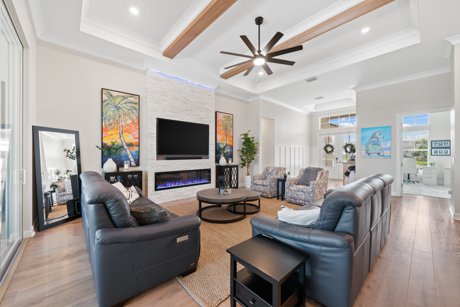
Looking to elevate your home’s comfort and style? Consider creating an indoor/outdoor living space. This sought-after feature expands your home’s livable area and offers the perfect setting for effortless entertaining. Discover how to design this impressive upgrade with our helpful guide.


What is indoor/outdoor living?

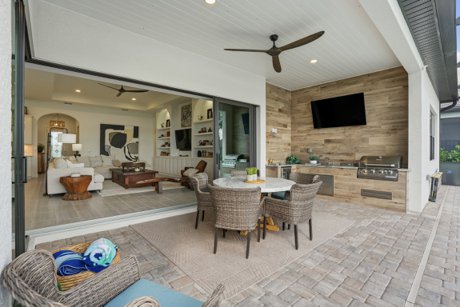
Indoor/outdoor living is a design concept that blurs the line between your home’s interior and exterior spaces, creating a seamless flow between the two. It’s about extending your living area beyond the traditional walls of your home so you can enjoy the comfort and functionality of your indoor space while connecting with the beauty and openness of the outdoors.


In practice, indoor/outdoor living often includes:

Ø  Large sliding or folding doors that open fully to merge spaces.

Ø  Covered patios, lanais, or decks furnished like an extension of the living room.

Ø  Outdoor kitchens, dining areas, and lounging zones designed for entertaining.

Ø  Consistent flooring and design elements that visually unify both areas.


The result is a space that feels expansive, airy, and inviting—a perfect balance of comfort and nature.


Layout and Space Planning

Ø  As you design your indoor/outdoor space, imagine it as one large, flowing room where the boundaries between inside and out disappear.

Ø  Begin by choosing the centerpiece of your space—whether it’s a cozy fire pit, a sparkling pool, or a fully equipped grill. Then arrange your indoor and outdoor furniture to highlight this focal point, ensuring every seat enjoys a clear view and feels connected to the heart of the area.

Ø  Create a floor plan—either with the help of a professional or by sketching it yourself—and use sticky notes or cutouts to represent furniture pieces. Test different arrangements to discover a layout that maximizes sight lines, encourages easy flow, and creates a harmonious indoor/outdoor space.

Ø  Maintain a graceful continuity between indoor and outdoor spaces by keeping the floor level uniform. Subtle elevation changes or steps can interrupt the visual harmony, so smooth transitions are key to a refined, cohesive design.


Features of Indoor/Outdoor Living

1. Expansive Sliding or Folding Doors
Large glass panels—such as multi-slide, pocket, or bi-fold doors—create a seamless transition between inside and out, opening entire walls to the outdoors.

2. Covered Patios, Lanais, and Verandas
These sheltered spaces provide protection from the elements while maintaining an open-air feel, making them ideal for year-round enjoyment.

3. Outdoor Kitchens and Dining Areas
An outdoor kitchen is more than just a luxury feature—it’s an extension of your home’s living and entertaining space. It allows you to cook, dine, and entertain outdoors with ease, creating a seamless flow between your interior and exterior areas. In warm climates, it’s an essential element that enhances daily living, adds lasting value, and transforms the way you enjoy your home.

4. Comfortable Lounge Areas
Cozy seating arrangements with sofas, armchairs, and coffee tables transform patios into true extensions of the living room.

5. Consistent Design Elements
Using matching flooring materials, color palettes, and decor helps unify the interior and exterior, making the transition feel natural.

6. Lighting and Ambiance
Layered lighting—such as string lights, sconces, and lanterns—enhances both mood and functionality as day turns to night.

7. Climate Control Features
Ceiling fans, outdoor heaters, misting systems, and retractable screens help maintain comfort and extend usability in every season.

8. Fire and Water Features
Fire pits, fireplaces, and decorative water elements add a sense of luxury and relaxation while serving as focal points for gatherings.

9. Smart Home Integration
Automated lighting, sound systems, and retractable shades bring modern convenience and elevate the experience of outdoor living.


Benefits of Indoor/Outdoor Living

1. Expanded Living Space: By blending your interior and exterior areas, you effectively increase your home’s usable square footage—creating more room for relaxing, dining, or entertaining without a major renovation.

2. Perfect for Entertaining: Indoor/outdoor spaces provide a natural flow for gatherings. Guests can move freely between the kitchen, living room, and patio, making events feel open and effortless.

3. Enhanced Natural Light and Ventilation: Large doors and open layouts invite sunlight and fresh air indoors, creating a brighter, more comfortable, and energy-efficient environment.

4. Connection with Nature: This lifestyle brings the outdoors in—allowing you to enjoy views of your garden, pool, or landscape year-round.  It can reduce stress and promote a sense of well-being. Adding a fire pit provides a cozy focal point, offering warmth on chilly nights and ambiance even when the weather is mild.

5. Increased Home Value: Homes with well-designed indoor/outdoor living areas are highly sought after by today’s buyers, offering a strong return on investment and enhanced curb appeal.

6. Year-Round Enjoyment: In warm climates—like Southwest Florida—these spaces can be enjoyed throughout the year, especially when enhanced with features such as ceiling fans, screens, and comfortable outdoor furnishings.


Posted in Buyers, Lifestyle
Oct. 27, 2025

Best Plants and Landscaping Tips for Southwest Florida Gardens


Best Plants and Landscaping Tips for Southwest Florida Gardens


In the subtropical climate of Southwest Florida, the most effective landscaping relies on resilient, salt- and drought-tolerant native plants. This approach supports a successful design that attracts pollinators, improves the sandy soil, and layers plants for visual appeal and simpler upkeep. Discover the best plantings and practices for sustainable and visually appealing garden design.


Best Trees and Palms

Ø  Royal Palm (Roystonea regia): A majestic and iconic palm that adds a dramatic, tropical look.

Ø  Sabal Palm (Sabal palmetto): The state tree of Florida, this native palm is extremely durable and low-maintenance.

Ø  Live Oak (Quercus virginiana): A native shade tree with excellent salt and wind resistance.

Ø  Buttonwood (Conocarpus erectus): A versatile tree or large shrub that is highly salt-tolerant and can be used for hedges.


View More
Posted in Buyers, Lifestyle, Sellers
Oct. 10, 2025

Cost of Living in Southwest Florida: Real Costs & Local Tips

This week I had several conversations with buyers visiting from out of town, all asking the same thing: “How much does it actually cost to move to and live in Southwest Florida?”
Here’s a clear rundown so you know what to expect—no surprises, just the real talk.


The Big One: Insurance

Car Insurance

In our experience, auto insurance runs higher in Florida than many other states. Recent storms and flood claims have impacted rates statewide. Your rate will depend on your driving history, location, and carrier—but plan for it to be on the higher side.

Homeowners Insurance

Florida’s paradise comes with trade-offs—home insurance is generally higher, too. The good news: new carriers and recent legislative changes are increasing competition, which may help over time. Coverage levels vary based on your risk tolerance, roof age, building codes, and more.

Flood Insurance

  • Check FEMA flood maps (X, X500, AE, etc.). If you have a loan and the home is in a higher-risk zone, flood insurance is typically required.

  • Paying cash? It’s optional—but often wise even in an X zone.

  • Rates also depend on lot/home elevation and other property specifics.

Pro tip: Ask your inspector for a Wind Mitigation Report. It shows how your roof is attached, nail size, compliance with current codes, etc.—and can earn you discounts on your homeowner’s policy.


Recurring Home Services (Common in SWFL)

Pool Service

If you have a pool, expect weekly service (chemicals + cleaning).
Typical range: ~$100–$150+/month, depending on pool size and features. DIY is possible, but most residents outsource.

Pest Control

Welcome to Florida—bugs are part of the deal. A quarterly service keeps a barrier in place and treats trouble spots.
Typical setup: modest monthly plan with quarterly visits + on-call treatment.

Air Conditioning (Your MVP Appliance)

Your A/C works hard here. Plan for a maintenance plan with two services a year.
Typical range: ~$150/year per unit for routine servicing.
Why it matters: Prevents breakdowns (which somehow always happen on the hottest night of the year).


Exterior Care & Maintenance

Power/Soft Washing

Stucco homes and pool cages/lanai screens need periodic washing to prevent mold and staining.

  • Rotate yearly: one year the house, next year the cage/lanai.

  • Tile roofs: use soft wash only (protects tile).

Exterior Painting

Our sun is no joke. Expect to repaint every 7–10 years, depending on paint quality and exposure.

Bonus: We offer free snow removal year-round. (We just don’t shovel sunshine. 😉)


HOA/Condo Fees & Community Costs

Dues can be monthly, quarterly, or annual—and vary by community. If there’s an on-site restaurant, ask about food & beverage minimums (use-it-or-lose-it).
Tip: Get a full breakdown of dues, special assessments, transfer/initiation fees, and what’s covered (cable, internet, landscaping, reserves, insurance, amenities).


Sunscreen & Health

The sun is strong here. Budget for sunscreen (you’ll use more than you think) and schedule annual skin checks with a dermatologist. We love supporting groups like The Passion Foundation that add shade over playgrounds—because sun safety matters.


Footwear (Yes, Really)

Florida living = flip-flops and sandals. Live here full-time and your feet may flatten/widen a bit. Those narrow “up north” shoes? They might not love you back. If needed, add a podiatry check-in to your wellness routine.


Groceries: What to Expect

You’ll have lots of options—Publix (BOGO deals can be fantastic), Whole Foods, Trader Joe’s, Aldi, Target, Walmart Grocery, and more.
Prices are broadly comparable to similar U.S. metros; beach-adjacent convenience spots can run higher (vacation area markup).


Dining Deals (Locals’ Secret: Summer)

Summer is local love season. Programs like Sizzle (Naples/Bonita) bring special menus and promos. Many restaurants also offer weekday deals (e.g., half-off wine nights).
During season (population up ~30%), expect standard pricing and busier venues.


Entertainment: Tons for Free (or Close to It)

  • Live music at plazas, bars, restaurants, and downtown hubs (Naples’ Fifth Ave/Third St, Downtown Fort Myers, Coconut Point).

  • Farmers markets and weekend festivals (music, seafood, arts).

  • Nature + CREW trails and—of course—award-winning beaches.

  • Beach parking passes: Collier residents get free parking with proof of residence; Lee County offers a sticker for about $60/year to access select lots.

  • Paid fun (zoos, shows, golf, mini golf, escape rooms, opera) is on par with mid-sized cities elsewhere.


Bottom Line

Living in Southwest Florida is an amazing lifestyle—sunshine, beaches, and year-round outdoor fun—but it comes with distinct cost considerations: higher insurance, some Florida-specific services, and routine exterior maintenance. Plan for those, and you’ll settle in smoothly.

Have questions I didn’t cover? Drop them in the comments or reach out to us directly. We can walk you through costs for the communities you’re considering and help you build a realistic budget for your move.

🌴 Live Joy. Live Southwest Florida. 🌴


Watch video here: 

Posted in Buyers, Lifestyle
Oct. 3, 2025

Southwest Florida New Construction: Deals, Pricing & Buyer Tips


Buying New Construction in Southwest Florida: What You Need to Know

I’ve been having a ton of conversations lately about what’s happening in new construction here in Southwest Florida, so I figured it was time for a quick update. Builders are making deals, inventory is moving, and if you’re considering building or buying new, there are some key things you need to know.


Why You Still Need a Realtor for New Construction

Yes, you can walk into a sales office and buy directly from the builder. But here’s the catch: the sales reps work for the builder, not for you. Their job is to represent the builder’s best interests.

When you have your own realtor, you have someone in your corner who knows what to ask for, how to negotiate, and where the opportunities are. My team has multiple buyers under contract with new construction right now, and because we do so many deals, we often know about opportunities before they hit the market—like when a contract falls through and a home becomes available again.

Pro Tip: When you first visit a community, bring your realtor or at least register them with you. Builders are strict about this!

And no—you don’t get a better deal by going without representation. Builders have separate funds that pay commissions, so your realtor is a resource for you at no extra cost.


Don’t Be Fooled by “Starting From” Prices

This is one of the biggest misconceptions about new construction.

When you see a listing online for “homes from the $400s,” that’s usually just the base price. Once you add the lot premium, interior upgrades, and maybe a pool, the real price can be much higher.

Every builder is different—some bundle more into the base price, while others keep it stripped down. That’s why it’s so important to ask questions and get clarity before falling in love with a floor plan.


Where Can You Negotiate with Builders?

The base price? Forget it. Builders rarely touch that number. But there are several areas where there’s often wiggle room:

  • Lot Premiums – These vary by location and lot size, and experienced realtors know what’s being approved in each community.

  • Interior Upgrades – Especially with semi-custom builders, there are often incentives or credits available.

  • Closing Costs – Builders typically offer credits toward closing costs, and sometimes there’s room to ask for more.

  • Rate Buy-Downs – Many builders are offering aggressive interest rate programs to make monthly payments more affordable.

  • Deposits – Most builders want 20%, but this can sometimes be negotiated depending on your financing and build timeline.

Having a realtor who negotiates new construction regularly can save you thousands in these areas.


The Design Appointment: Fun but Overwhelming

If you’re building from scratch, get ready for one of the most exciting (and sometimes stressful) parts of the process: the design appointment.

Within a few weeks of signing your contract, you’ll spend 3–4 hours picking out everything from flooring to cabinets to pool design. It’s a lot of decisions at once.

Pro Tip: Ask for a preview appointment so you can see the design center in advance and get a feel for what you like. Walking in prepared makes the process much smoother.


Why You Should Still Get an Inspection

Yes, new construction homes come with warranties. But remember, humans are building these homes—and mistakes happen.

An inspection before closing can catch issues early so they’re fixed before you move in. For example, when we built our home, a support beam in the wrong place kept our freezer door from opening all the way! The builder fixed it, but catching things upfront saves headaches later.

Even with warranties, it’s better to start off with as few surprises as possible.


Final Thoughts

Buying new construction in Southwest Florida can be exciting—but it’s also complex. From builder incentives to design appointments to hidden costs, there are a lot of moving parts. Having an experienced realtor on your side makes the process smoother, protects your interests, and often gets you a better deal.

Thinking about buying or building new construction? Let’s talk. My team has helped countless families through this process, and we’d love to be a resource for you too.


🌴 Live Joy. Live Southwest Florida. 🌴


Watch video here:

Posted in Buyers, Lifestyle
Sept. 28, 2025

The Ultimate Guide to Selling Your Home Quickly in Southwest Florida | Expert Tips

The Ultimate Guide to Selling Your Home Quickly in SWFL


If you want to sell your home quickly in Southwest Florida, start by pricing it competitively and presenting it at its best—spotless, staged, and showcased with professional photography. Emphasize standout features, such as proximity to the Gulf, in your marketing, and rely on an experienced local agent to guide the sale and negotiations. Small repairs can help create a strong first impression, while cash offers may be worth considering if your top priority is speed.


Prepare Your Home for Sale


Clean & Declutter: A thorough deep clean of the entire home, inside cabinets and out, should be your first step in the home selling process. Removing personal items and excess furniture make each room feel spacious and allows buyers to imagine themselves living there. 


Make Minor Repairs: Making minor repairs before listing a home may seem small, but it can have a big impact on how quickly it sells. Buyers want a home they can enjoy right away, not a to-do list of fixes. Even small issues—like a dripping faucet or squeaky door—can make a home feel neglected. A well-maintained property signals care and pride of ownership, which builds buyer confidence from the start.


Boost Curb Appeal: There are a number of ways to make the exterior of your home more inviting. Freshen up landscaping by trimming bushes, edging the lawn, and adding colorful flowers or planters. Update the entryway by painting the front door and replacing worn hardware. Install pathway lights, lanterns, or uplighting to highlight trees and architecture. Pressure wash the driveway and walkways for a crisp, cared-for look.


Stage the Home: According to the National Association of Realtors, staged homes spend less time on the market. Arrange furniture to showcase each room's purpose and create a welcoming, emotionally appealing atmosphere. You may want to consider hiring a professional home stager as  they know how to present a property in a way that appeals to the widest range of buyers.


Market Your Property


Get Professional Photos: Most buyers begin their search online, and high-quality photos immediately grab attention and make the home stand out. A skilled photographer knows how to use angles and lighting to make rooms look bright, spacious, and inviting, and draws attention to what makes the home special, whether it’s high ceilings, outdoor living areas, or Gulf views.


Create Compelling Listings: A strong listing description can make all the difference in how quickly a home sells because it does more than just list facts—it tells a story. Details such as recent upgrades, energy-efficient features, or proximity to schools and beaches may not be obvious in pictures. A compelling opening line encourages potential buyers to keep scrolling instead of moving on by creating an emotional connection.


Use Professional Marketing: Leveraging multiple online platforms and social media, as well as utilizing professional marketing strategies, such as virtual tours, helps sell a home faster. Sharing across Zillow, Realtor.com, Redfin, and local real estate sites ensures the home appears where buyers are actively searching. Professionals know how to identify the target buyer and tailor the marketing message to highlight the features and lifestyle that will appeal most.


Work with a Professional and Price Strategically


Hire a Local Realtor: Choose a real estate agent with proven local expertise who understands the Southwest Florida market and has a strong marketing strategy for your specific area. They know which platforms, publications, and community networks reach the right buyers and can highlight what makes your area desirable—schools, amenities, proximity to beaches or downtown—to appeal to buyers.


Price It Right: Base your home's price on the sale prices of comparable, recently sold homes in the area. A realtor can provide a Comparative Market Analysis (CMA) to determine the right asking price for your home. By reviewing recent sales of similar properties, current competition, and local market trends, they help you set a competitive price that attracts buyers while maximizing your return.


Be Ready to Negotiate: The first offer is rarely the best, so be prepared to respond and negotiate on your terms. Skilled negotiation ensures you get the highest possible offer without scaring off potential buyers. A good negotiator can navigate requests for repairs, contingencies, or closing costs to reach a fair agreement for both sides.


Consider a Cash Offer: If speed is your absolute top priority, selling to a cash buyer can bypass many time-consuming steps in a traditional sale. Without the need for lender approval or mortgage underwriting, cash sales can often close in a matter of days or weeks. Cash buyers typically skip financing-related contingencies, reducing the risk of delays or cancellations. Fewer inspections, paperwork, and approvals mean less stress and a smoother transaction.

Posted in Buyers, Sellers
Sept. 26, 2025

Living in Southwest Florida: Myths, Questions & Real Answers

Crazy Questions About Living in Southwest Florida—Answered!

When people are thinking about moving to or vacationing in Southwest Florida, we hear some interesting questions. From beaches to iguanas to alligators, there are plenty of myths and curiosities about what life is really like here. So let’s dive into some of the craziest—and most common—questions we get, and clear up what you can actually expect when you call Southwest Florida home.


How Often Do Locals Really Go to the Beach?

Probably not as often as you think!

The truth is, when you live here full-time, life is still busy—work, family, and everyday commitments often take priority. We might sneak out for a sunset or dinner at the beach every couple of months, but it’s not an everyday thing.

We definitely go more often when friends or family visit, or when we’re out boating. In fact, boating to less-crowded, private-access beaches is one of our favorite ways to enjoy the water. Still, even after all these years, I remind myself we should take advantage of living so close to world-class beaches more often than we do.


If You Live Where Others Vacation, Where Do You Vacation?

It’s a fair question! When you’re lucky enough to live in paradise, do you even need to vacation?

For us, we love little “staycations” in places like Marco Island—it gives us that true beach-vacation vibe since we don’t live directly on the water. We also love to explore other parts of Florida, like Disney, the Keys, or even hopping over to the Caribbean.

In the summer, though, our favorite escape is heading north to the mountains of western North Carolina—Blowing Rock, Banner Elk, and the Blue Ridge. It’s cooler, refreshing, and the perfect break from Florida’s summer heat. Our dream is to spend more time there in the summers, and the rest of the year here in Southwest Florida.


Do Iguanas Really Fall Out of Trees?

Yes—believe it or not!

Iguanas are coldblooded, and when temperatures dip into the 40s (rare here, but it happens for a week or two in January), they become “cold-stunned.” They lose muscle control and literally fall from trees.

Think of it as Florida’s quirky version of winter. And honestly, after years of living here, I’m just like the iguanas—cold-stunned when temps dip below 50 degrees!


Why Are Manatees Called “Sea Cows”?

Manatees are gentle giants that graze on seagrass in the same slow, steady way cows graze in fields. They move slowly through Florida’s warm, shallow waters and are a common (and beloved) sight in our canals and along the Gulf. Watching them is one of those peaceful “only in Florida” experiences.


Can You Fry an Egg on the Sidewalk?

I’ve never tried it, but in July or August… probably!

Florida summers are hot and humid, and pavement gets scorching. It’s something to be mindful of for pets, since sidewalks, driveways, and pavers can burn paws quickly. While the “fried egg on the sidewalk” is more of a fun exaggeration, it’s not far from reality.


Why Is It So Hot and Humid in Florida?

Geography explains it all.

Southwest Florida sits between two warm bodies of water—the Gulf of Mexico and the Atlantic Ocean. Add in our subtropical location close to the equator, and you get year-round humidity. Even the sea breezes, while refreshing, carry more moisture across the land.

Summers—June through September—are especially hot and humid, and that’s also our hurricane season.


Are There Alligators in the Water Near Neighborhoods?

Yes. Always assume any body of water in Florida could have an alligator.

That said, gators are generally not aggressive toward people. If you see one in your pond or neighborhood lake, it usually swims away. The main rule: don’t feed them (it’s illegal, and it makes them lose their natural fear of humans).

When we bought our first home in Florida, the closing packet even included the “Alligator Hotline” as the top emergency number! If a gator ever becomes a nuisance, you can call it in. But for the most part, they’re part of the ecosystem—and part of living the Southwest Florida lifestyle.


Final Thoughts

Life in Southwest Florida comes with sunshine, beaches, unique wildlife, and yes, some quirks that make living here different than anywhere else. From iguanas falling out of trees to manatees grazing like cows, there’s never a dull moment.

What about you—what’s the craziest question you’ve ever had about Florida living? Drop it in the comments below or reach out—I love sharing what life is really like in paradise.


🌴 Live Joy. Live Southwest Florida. 🌴


Watch the video here

Posted in Buyers, Lifestyle
Sept. 17, 2025

Moving to Southwest Florida: 5 Things No One Tells You About It

Source: 5 Things You Wish You Knew Before Moving to Southwest Florida


Moving to a new place is always a bit of an adventure, but relocating to Southwest Florida is like stepping into another rhythm of life entirely. The sunshine, the beaches, the food, the lifestyle - it all paints a beautiful picture. But beyond the palm trees and picture-perfect sunsets, there are a few things no one really prepares you for. Consider this your insider guide, the stuff that doesn’t always make it into the brochures, but can make all the difference once you're unpacked and settling in.

The Realities of the Southwest Florida Lifestyle

Before you swap snow boots for sandals, there are a few truths that are worth knowing. These aren’t necessarily deal-breakers, but they are definitely things you’ll want to prepare for so your move is as smooth and enjoyable as possible.

The "Florida 15" Is Real

It sneaks up on you. You move to Southwest Florida, and suddenly every day feels like the weekend. You hit up happy hour more than you'd planned, sunsets are best paired with a drink in hand, and there's no shortage of new places to dine out. And that relaxed lifestyle? It's amazing. But so are the calories.

It happens fast - a few dinners here, a couple of indulgent brunches there, and suddenly your clothes feel a little snug. We call it the "Florida 15," and while it's a lighthearted term, it speaks to a very real shift. The vibe down here encourages a vacation-style way of life, which is lovely, but also something to stay mindful of. Pack your walking shoes and maybe plan on exploring all those beautiful parks and waterfronts on foot.

Your A/C Will Become Your Best Friend (If You Treat It Right)

The air conditioner isn't just another appliance down here - it's practically a member of the family. And just like anything else that's vital, it needs attention. A/C units in Florida work overtime, especially during the long, humid summers.

Routine maintenance is crucial. We're talking twice-a-year service checks, regular line flushes, and keeping an eye out for that slimy buildup that can shut the whole thing down. One small clog and suddenly you're sweating at 2 a.m., regretting every time you put off scheduling that service call. Trust me, it’s not a situation you want to experience firsthand.

Get ahead of it. Partner with a reliable HVAC company, keep a shop vac handy, and do monthly vinegar flushes to keep those lines clear. Your comfort and sleep schedule will thank you.

Lightning Isn't Just Dramatic, It's Dangerous

Moving from the Midwest, I thought I knew thunderstorms. But Florida taught me otherwise. Especially in the summer, the afternoon sky turns dark like clockwork. The thunder starts rolling, the lightning cracks, and then the rain pours.

It’s dramatic. It's intense. And it’s very real. We’re talking about frequent, heavy lightning activity, enough that local news sometimes tracks the strikes like a weather radar. It can be beautiful in its own wild way, but also serious. Stay aware. Take cover. And always, always respect the warnings.

Gas Station Food Is Surprisingly Great

This one might catch you off guard, but hear me out. Some of the best food in Southwest Florida comes from places you wouldn’t expect. I’m talking tacos from a gas station on 41 that rival any sit-down spot, crispy fried chicken in Estero that gives Publix a run for its money, and even brunch joints tucked next to the pumps that serve up breakfast sandwiches you’ll crave again and again.

It might feel strange walking into a gas station and ordering a full meal, but give it a shot. You’ll be surprised, and honestly, delighted. Just don’t judge the menu by the sign outside.

Don’t Make the Guest Room Too Comfortable

Here’s the thing about living where people vacation: you’re going to get visitors. Lots of them. Friends you haven’t heard from in years suddenly want to reconnect. Family members pop in more often. And you might find yourself playing host more than you expected.

It’s wonderful... until it’s not. So here’s a tip that sounds a little silly but makes a lot of sense: don’t make your guest room too inviting. Maybe skip the luxury mattress. Maybe hold off on the blackout curtains. Because once your guests experience your pool, your sunshine, and your warm hospitality, they may not want to leave. You’ll thank me later.

Moving to Florida Is a Lifestyle Shift

Southwest Florida is stunning. It’s vibrant, warm, and full of life. But it’s also unique in ways that you might not anticipate until you’re actually living it. From the rhythm of daily thunderstorms to the A/C that runs nonstop, the unexpected taco spots to the endless stream of guests, life here is a mix of laid-back and lively.

If you’re considering making the move, or you’ve already made it and are finding your way, I hope this gives you a few things to laugh at, nod to, or maybe even plan around.

And if you're looking for someone who knows these details inside and out, not just the listings, but the lifestyle, we’re here to help. The Guillette Group here in Bonita Springs, FL, not only finds you a house, but we help you find the life that fits.


So whether you’re a couple of months out or just browsing with curiosity, reach out. Let’s talk about what life in Southwest Florida really looks like, and how to make it yours.

Posted in Buyers, Lifestyle
Sept. 10, 2025

11 Essential Things to Know Before Buying a Home in Florida

Source: Florida House Hunt - 11 must knows

11 Essential Things to Know Before Buying a Home in Florida

Thinking of moving to the Sunshine State? You’re not alone. Florida's warm winters, endless sunshine, and laid-back lifestyle draw people from all over the country. But before you dive into house hunting, there are a few key things you absolutely need to keep in mind. As someone who’s lived here, helped buyers settle in, and experienced the ups and downs firsthand, I want to share what truly matters when it comes to finding the right home here. Let’s get into it.

What You Really Need to Look for When Buying a Florida Home

House hunting in Florida isn't quite like anywhere else. Whether you’re relocating full-time, buying a second home, or just dreaming about warm days by the pool, there are some uniquely Floridian things you should definitely factor into your search. Let me walk you through the big ones.

Lanai Living: The Heart of a Florida Home

Let’s be real - one of the biggest reasons you’re considering Florida is to enjoy the weather. And that means your lanai (aka your outdoor living space) is going to be a huge part of your lifestyle.

You want a space that lets you bring the indoors out. Whether you're sipping coffee in the morning or hosting dinner with friends, your lanai will be your go-to spot most of the year. Here’s what to think about:

  • Size Matters: Especially with condos, lanais can vary widely. Some are cozy, others feel like full-on outdoor rooms. Think about what furniture you'll want out there and how you plan to use the space.

  • Covered vs. Open: Summers get hot. A ceiling fan under a covered area can be a game-changer when it comes to enjoying the outdoors year-round.

  • Sun Exposure: Are you a sunset chaser or a morning person? Rear exposure will make a big difference. Southern and southwestern exposures offer all-day light, while eastern exposure gives you cool evenings. Personally, I loved my northwestern exposure: shade when I needed it, and just enough light for the pool.

Storage Woes: Closet Space Isn’t the Same

Closets in Florida just aren’t what you might be used to if you’re moving from up north. We don’t have basements here, and while you might have attic space or a garage loft, the heat makes it a terrible spot for storing anything valuable.

So when you're touring homes:

  • Check Closet Sizes: Especially in older homes, they can be tight.

  • Don’t Count on the Garage: A "two-car garage" might barely fit two cars, with little extra room.

  • Look for Closet Upgrade Potential: Some spaces can be reconfigured or built out later, so don’t lose hope.

Sun, Sound, and Storms: Little Details That Matter

There are a few other big considerations that often catch people by surprise.

  • Noise Awareness: Florida is flat, which means sound travels. A house near a busy road or construction site may be noisier than expected. Some sellers even play music during showings to mask it. If peace and quiet matter to you, pay attention.

  • Storm Protection: Impact glass windows and doors are a big perk, especially near the coast. If the house doesn’t have them, check for storm shutters. Roll-down shutters on the lanai can also give you a secure place to store furniture during storms.

  • Sun Exposure (Again): Think long term. What feels cozy now could feel stifling in the summer. Take time to visit at different times of day if possible.

Community Rules, Pets, Rentals, and Amenities

The community you choose can have a huge impact on your lifestyle, especially if there are homeowners' association (HOA) rules.

  • Pet Restrictions: A lot of condos and HOAs have rules about the number, breed, or size of pets. If you have pets now or are planning to get one, check these early.

  • Rental Rules: Not every neighborhood is rental-friendly. Some only allow long-term leases; others have short-term vacation rentals. Even if you don’t plan to rent, these rules can affect your neighbors, noise levels, and resale value.

  • Amenities: What matters to you? Tennis? Pickleball? Clubhouse social events? Some communities are full of activities, while others are much more hands-off. Know what kind of vibe you want before you buy.

  • Outdoor Kitchens: If grilling and entertaining are on your wishlist, make sure there’s space for an outdoor kitchen. Just remember, too many sliding doors can limit where you can install one.

  • Pool or No Pool: I love having a private pool, but they’re not for everyone. If upkeep isn't your thing, make sure the community has a good shared pool option.


Make Florida Living Work for You

Buying a house in Florida is a little different, but it doesn’t have to be overwhelming. Once you know what to look for, like lanai space, sun exposure, storage, and community rules, it becomes a lot easier to narrow down your options and find a place that truly fits how you want to live.

And if you’re feeling a bit lost or not sure where to start, that’s where we come in. At The Guillette Group, we’ve helped tons of buyers figure out what matters most and find homes that match their lifestyle goals. Whether you’re planning to move in a couple of months or you’re still dreaming and exploring, we are happy to chat and help you build a plan.

Give us a call at 239-776-6872, and we’ll make sure your Florida house hunt is exciting, informed, and most of all, personalized to you.


Posted in Buyers, Lifestyle